
Moving to Redding in 2026? A Practical Guide to Real Estate and Local Living
Relocating to Redding, California offers a strong mix of outdoor living, community atmosphere, and a steadily growing real estate market. Buyers considering a move will want a clear understanding of local housing trends, neighborhood options, cost of living, and available schools before making a decision.
As you explore the possibility of living in Redding, you’ll find a community with diverse housing choices, established neighborhoods, and access to everyday amenities that support different lifestyles.
From understanding current market conditions to comparing neighborhoods and evaluating schools, knowing what to expect upfront makes the transition smoother and more confident.
What Is the Current Real Estate Market Like in Redding, CA?
The real estate market in Redding, CA, is characterized by a dynamic landscape that reflects both local demand and broader economic trends.
As of 2023, the market shows signs of stability, with home prices gradually increasing due to a growing interest in the area. This trend is driven by factors such as the influx of new residents seeking affordable housing options and the appeal of Redding's natural surroundings.
Understanding the broader economic forces at play is crucial for comprehending urban development and real estate trends.
How Are Home Prices and Market Trends Shaping 2026?
Home prices in Redding are projected to rise steadily, influenced by a combination of demand and limited inventory. The market is expected to remain stable, making it an attractive option for both first-time buyers and investors.
With the average home price hovering around $400,000, Redding offers a more affordable alternative compared to many other California cities. This affordability, coupled with the area's scenic beauty, positions Redding as a desirable location for those looking to relocate.
What Types of Homes Are Available for Sale in Redding?
Redding's real estate market features a diverse array of homes, catering to various preferences and budgets. Prospective buyers can find single-family homes, townhouses, and condominiums, with price ranges typically starting from the low $300,000s to over $700,000 for larger properties.
Many homes boast modern amenities and are situated in family-friendly neighborhoods, making Redding an appealing choice for families and individuals alike.
Which Neighborhoods Should You Consider When Moving to Redding, CA?
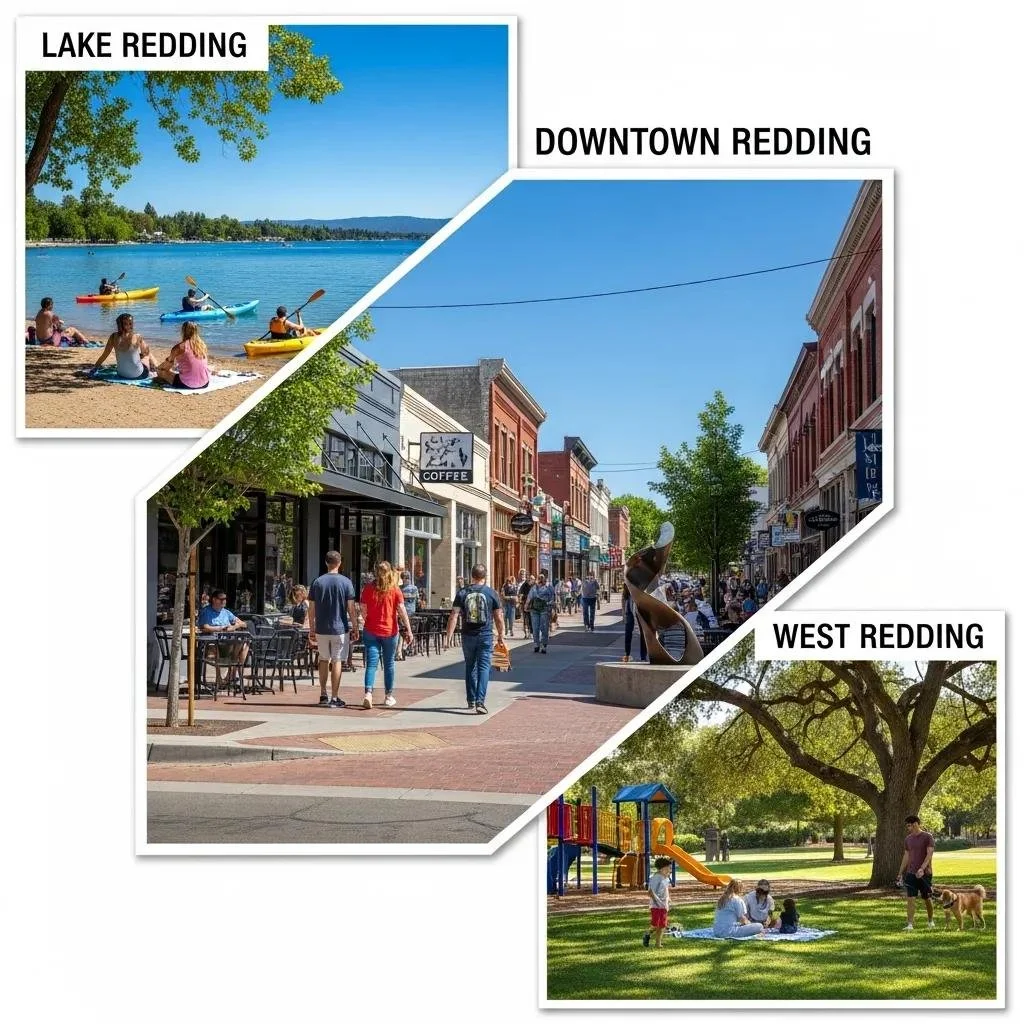
Redding is home to several neighborhoods, each offering unique characteristics and amenities. When considering a move, it's essential to explore these areas to find the best fit for your lifestyle and needs.
What Are the Key Features of Popular Redding CA Neighborhoods?
Some of the most popular neighborhoods in Redding include:
Downtown Redding: Known for its vibrant arts scene and proximity to restaurants and shops, this area is ideal for those who enjoy an urban lifestyle.
Lake Redding: This neighborhood offers beautiful views and access to outdoor activities, making it perfect for nature enthusiasts.
West Redding: A family-friendly area with excellent schools and parks, West Redding is popular among families looking for a suburban feel.
These neighborhoods provide a mix of community amenities, safety, and access to local services, making them attractive options for new residents.
How Do Local Amenities and Community Services Vary by Neighborhood?
Local amenities and community services can significantly impact your living experience in Redding. For instance, neighborhoods like East Redding offer access to parks and recreational facilities, while Downtown Redding provides a bustling atmosphere with shops, restaurants, and cultural events.
Understanding the differences in amenities can help you choose the right neighborhood that aligns with your lifestyle preferences.
What Is the Cost of Living and Lifestyle Like in Redding, California?

The cost of living in Redding is generally lower than the California average, making it an appealing option for those looking to relocate.
This affordability extends to housing, utilities, and everyday expenses, allowing residents to enjoy a comfortable lifestyle without breaking the bank.
How Does Redding’s Cost of Living Compare Regionally?
When compared to other California cities, Redding's cost of living is approximately 10% lower than the state average.
This difference is particularly noticeable in housing costs, where Redding offers more affordable options than larger metropolitan areas like San Francisco or Los Angeles. The lower cost of living allows residents to allocate more of their budget towards leisure activities and savings.
What Lifestyle Benefits Can New Residents Expect?
New residents in Redding can expect a lifestyle enriched by outdoor activities, community events, and a friendly atmosphere. The city's proximity to natural attractions, such as the Sacramento River and nearby mountains, provides ample opportunities for hiking, fishing, and other recreational pursuits.
Additionally, Redding hosts various community events throughout the year, fostering a strong sense of belonging among residents.
What Educational Options Are Available in Redding, CA?
Redding offers a range of educational options for families, including public and private schools, as well as higher education institutions. Understanding the educational landscape is crucial for families considering a move to the area.
Which Schools and Educational Institutions Serve Redding Neighborhoods?
Redding is served by several school districts, including the Redding School District and the Shasta Union High School District. These districts provide quality education with various programs and extracurricular activities.
Additionally, Redding is home to institutions like Shasta College and Simpson University, which offer higher education opportunities and vocational training.
How Do School Ratings Impact Neighborhood Choices?
School ratings play a significant role in home-buying decisions for families. Higher-rated schools often correlate with increased property values and demand in their respective neighborhoods.
Families looking to move to Redding should consider the quality of local schools when selecting a neighborhood, as this can impact both their children's education and the long-term value of their investment.
Research further supports the notion that educational quality significantly influences real estate decisions.
School Quality & Proximity: Impact on Property Values
This study jointly estimates the impact of school quality and school proximity on residential property values in Greenville, South Carolina.
While quality is found to be capitalized into residential property values, the degree of capitalization depends on school level and proximity to each school for which the house is zoned for attendance.
In general, there is positive value associated with closer proximity to schools of all levels, and negative value associated with a significantly longer than average distance to schools.
In terms of quality rankings, excellence at the elementary and high school levels has the strongest impact on property values.
Does close count? School proximity, school quality, and residential property values, M Espey, 2007
Important Factors to Evaluate Before Buying in Redding
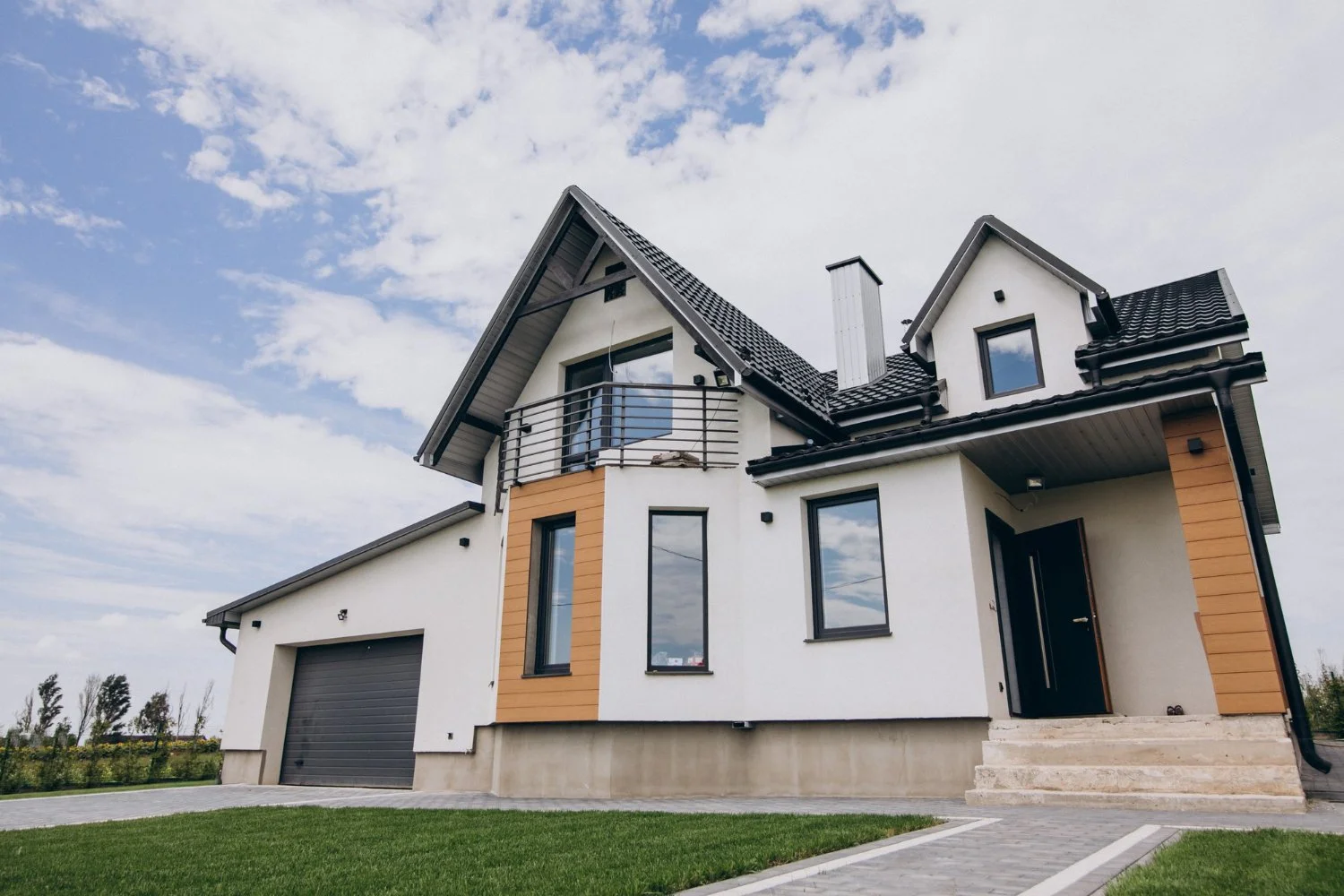
Relocating to Redding means evaluating more than just home prices. When buying a home here, understanding local conditions, property details, and long-term value factors can make a significant difference in your decision.
Climate and Property Performance
Redding’s summers are hot and dry, with temperatures often exceeding 100°F. When evaluating homes, pay attention to:
HVAC system age and capacity
Roof condition and attic insulation
Window efficiency
Shade coverage and outdoor exposure
Energy efficiency can significantly impact monthly costs and comfort.
Insurance and Fire Risk Zones
Parts of Redding are located in higher wildfire risk areas. Before submitting an offer, buyers should review:
Home insurance availability and premiums
Property defensible space compliance
Roof material and exterior construction
Insurance costs can vary substantially depending on location and property features.
Neighborhood-Specific Value Trends
Not all Redding neighborhoods appreciate at the same pace. Areas near Downtown, Lake Redding, and established communities in West Redding often show steady buyer demand. Proximity to schools, outdoor recreation, and shopping corridors can influence resale strength.
Understanding local micro-markets is critical when relocating from outside the area.
Commute Patterns and Daily Convenience
Redding is vehicle-dependent. While traffic is light compared to larger California cities, your neighborhood choice impacts:
Drive time to employment centers
Access to grocery stores and retail
School commute routes
Proximity to medical services
Small location differences can change day-to-day living significantly.
Long-Term Investment Outlook
As migration continues from higher-cost California regions, Redding remains attractive due to relative affordability and lifestyle benefits. Limited housing inventory in desirable areas supports price stability.
Evaluating long-term resale potential is just as important as finding the right home today.
Planning Your Move to Redding Starts with the Right Local Guidance
Relocating is more than finding a house. It’s choosing the right neighborhood, understanding long-term value, and making a confident decision in a changing market.
Greater Life Realty works with relocating buyers across Redding and surrounding communities. We help you:
Identify neighborhoods that match your lifestyle
Understand local market trends and pricing
Evaluate school zones and resale potential
Navigate insurance and property-specific considerations
If you’re considering a move to Redding in 2026, let’s talk through your goals and timeline.
Contact Greater Life Realty today to start your relocation plan with local expertise on your side.
